
Knee osteoarthritis · Persistent knee pain
Knee Osteoarthritis Specialist in Sydney
Specialist assessment and evidence-based non-surgical knee arthritis treatment in Sydney for people who want to stay active, understand their options clearly or seek another opinion.
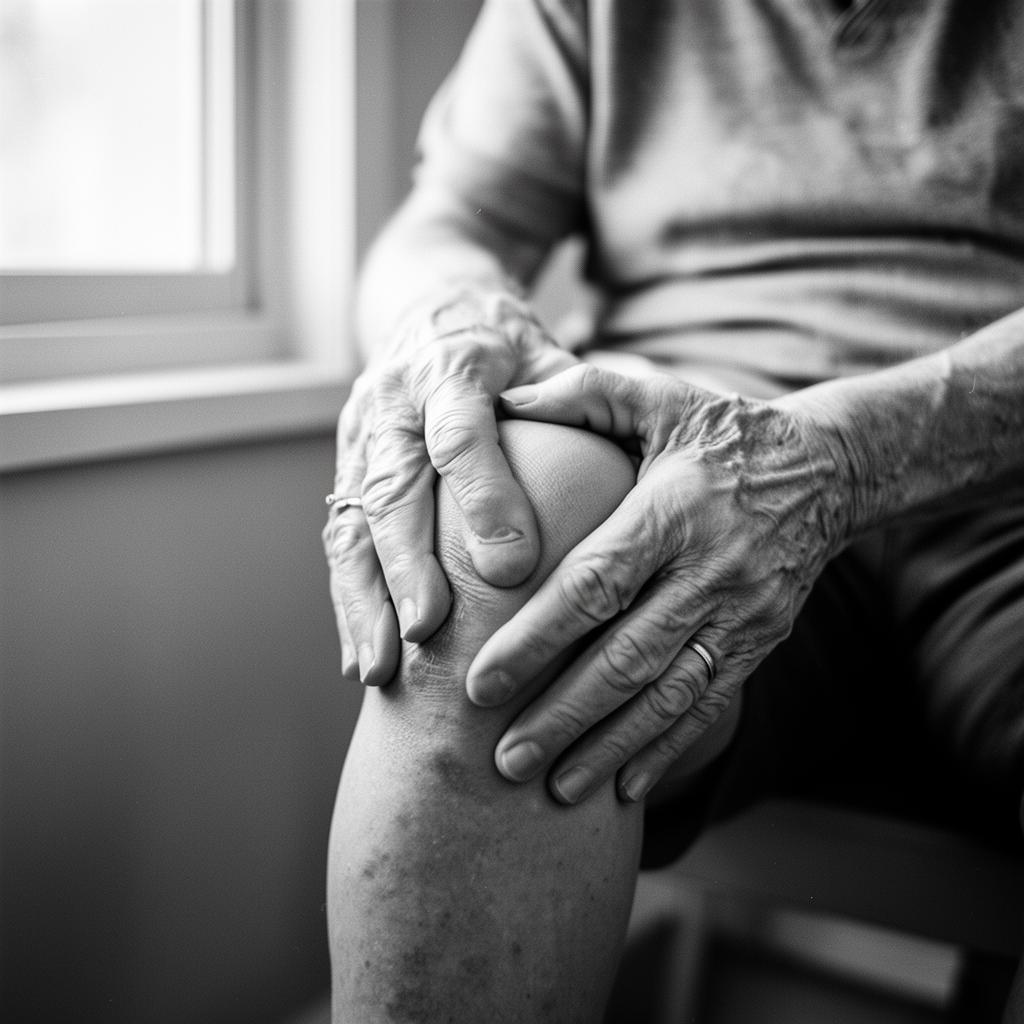
Who this page is for
For people whose knee pain is limiting their life.
You may be looking for a persistent knee pain specialist in Sydney if any of the following sound familiar:
- Persistent symptomsKnee pain, stiffness or swelling that has continued despite earlier treatment.
- Difficulty staying activeWalking, stairs, exercise, work or sport are becoming harder.
- UncertaintyYou are unsure about your diagnosis, your imaging or which options are appropriate.
- Another opinionYou would like a balanced second opinion on knee arthritis before making a decision.
Looking more closely
Is osteoarthritis the whole story?
Imaging changes of osteoarthritis are common and do not always match how a knee feels. Pain may also be influenced by other structures and factors, such as tendons, the kneecap joint, referred pain from the hip or lower back, muscle weakness, recent changes in load, or general health.
A careful specialist assessment considers whether there are alternative or additional drivers of pain, because this can meaningfully change what is likely to help.
Specialist assessment
A thorough, unhurried assessment.
- HistoryHow symptoms started, how they behave and what has been tried so far.
- ExaminationHands-on assessment of the knee, hip, movement and strength.
- Imaging reviewYour existing X-ray, MRI or ultrasound is reviewed in clinical context.
- Function & goalsWhat you want to be able to do: walking, work, travel, exercise or sport.
- Contributing factorsLoad, strength, body weight, sleep, metabolic health and other conditions.
- Updated imagingArranged only if it is likely to change your management.
Non-surgical management
Evidence-based care, built around you.
Non-surgical knee arthritis treatment is the recommended starting point for most people and can be very effective when well delivered.
- EducationUnderstanding osteoarthritis, pain and what the evidence supports.
- Strength & exerciseProgressive, individualised strengthening and activity.
- Activity & load planningPacing and gradual progression so you can keep doing what matters.
- Weight & metabolic healthDiscussed respectfully and only where relevant to your knee.
- MedicationConsiderations reviewed and coordinated with your GP.
- Braces & footwearOnly where they are likely to be helpful for you.
- RehabilitationCollaboration with physiotherapists and exercise physiologists.
- Selected proceduresInjections or image-guided procedures where clinically indicated.
- Surgical referralTimely orthopaedic referral when it is the appropriate next step.
Next steps
When standard treatment has not been enough.
If your knee has not improved as hoped, the first step is to reassess the diagnosis, imaging, contributing factors and treatment history, including whether earlier treatment was well matched and adequately progressed.
From there, the full range of appropriate non-operative and surgical options is considered. Before any procedure, expected benefits, limitations, uncertainties, alternatives and rehabilitation requirements are discussed openly so you can make an informed decision.
Second opinions
Considering knee replacement or seeking another opinion?
Many people searching for alternatives to knee replacement in Sydney want to understand whether appropriate non-operative options have been fully explored. A specialist second opinion can help clarify this.
For some people, knee replacement is the right step and a referral to an orthopaedic surgeon is recommended. For others, a structured non-surgical plan may be reasonable first. The aim is a balanced, honest conversation, without promises about avoiding surgery.
Where procedures may fit
A considered role, never a stand-alone fix.
For selected people, platelet-rich plasma (PRP)—a blood-based orthobiologic procedure—may be discussed as part of a broader plan that includes exercise and rehabilitation. Procedures do not regrow cartilage or cure osteoarthritis, and outcomes are not guaranteed.
Many people are managed well without any procedure. Where one is considered, the evidence, alternatives and realistic expectations are discussed first.
About PRP & image-guided proceduresYour consultation
What to expect.
- BeforeBring your referral, imaging and a list of medications and previous treatments.
- DuringAssessment, imaging review and a clear explanation of what is going on.
- PlanA shared, written management plan aligned to your goals.
- AfterCommunication with your GP and treating team, with follow-up as needed.
Frequently asked questions
Knee osteoarthritis FAQs.
Get clarity on your knee and your options.
Specialist assessment for knee osteoarthritis and persistent knee pain in Sydney.