
Tendinopathy · Persistent tendon pain
Tendinopathy Specialist in Sydney
Specialist assessment for persistent tendon pain, with a clear diagnosis, an individual rehabilitation plan and a balanced discussion of further options when symptoms have not improved.
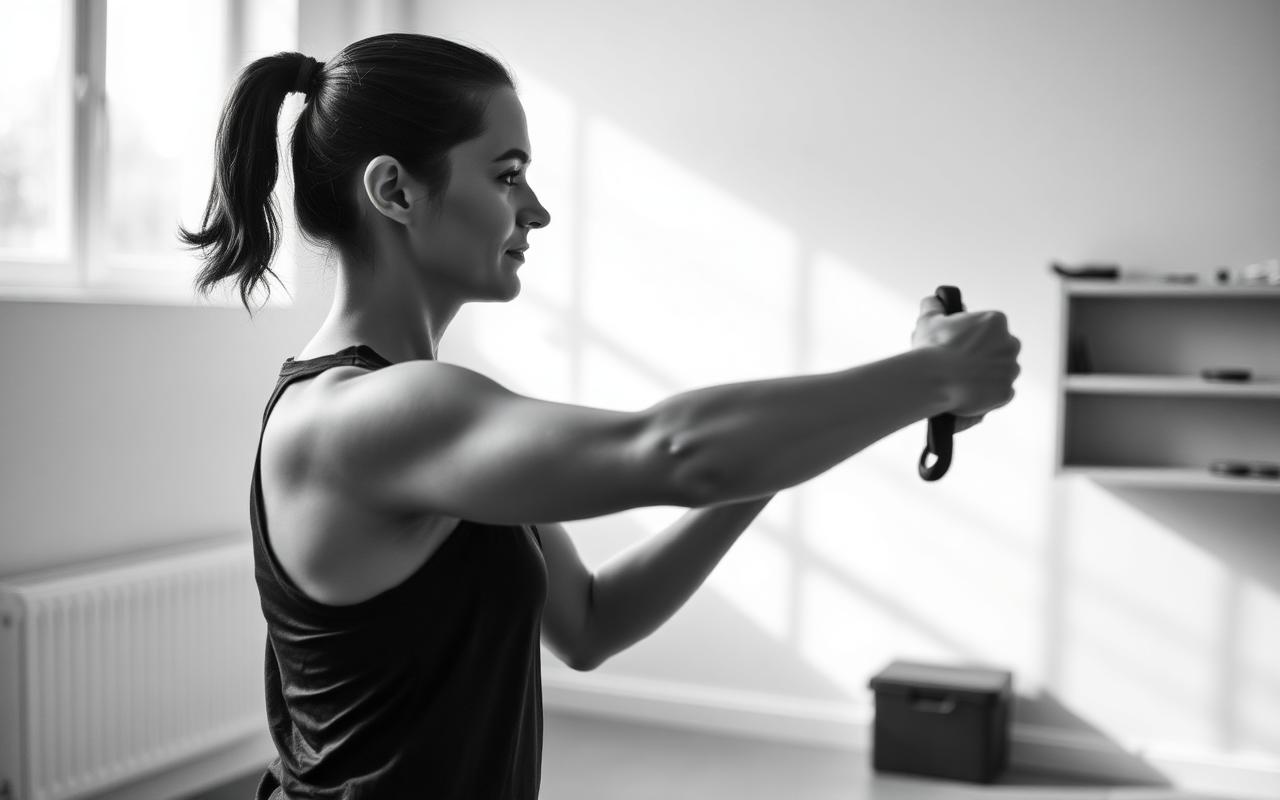
Understanding persistent tendon pain
A clear diagnosis comes first.
Tendinopathy can affect activity, strength and everyday tasks such as walking, climbing stairs, lifting or sleeping comfortably. Specialist assessment confirms the diagnosis and considers whether other sources of pain may be contributing.
Imaging findings are interpreted alongside your symptoms and examination, not in isolation.
Tendon conditions we assess
Common tendon presentations.
- AchillesPain at the back of the heel or lower calf, often with running, walking or stairs.
- PatellarPain at the front of the knee, below the kneecap, with jumping, squatting or kneeling.
- GlutealPain on the outer hip, often with walking, stairs or lying on the affected side.
- Elbow (tennis elbow)Pain on the outer elbow with gripping, lifting or repetitive tasks.
- Rotator cuffShoulder pain with reaching, lifting or overhead activity.
- Proximal hamstringDeep buttock pain with sitting, running or bending.
These are examples of conditions assessed. Management is tailored to the diagnosis and does not imply that any particular procedure is suitable.
A plan built around rehabilitation
Rehabilitation remains central.
- EducationUnderstanding your tendon, what aggravates it and what helps.
- Activity and loadAdjusting training, work and daily load so the tendon can tolerate progress.
- Progressive strengtheningA structured, graded strengthening programme.
- Coordinated careWorking with your physiotherapist or exercise physiologist.
- Return to work and sportA staged plan towards the activities that matter to you.
Recovery timelines vary, and progress is reviewed along the way.
When symptoms have not improved
Taking a fresh look.
When tendon pain persists, assessment revisits the diagnosis, your previous exercise programme and how it was progressed, your training and work load, and other contributing factors.
Ultrasound or MRI is arranged only where it is likely to guide care. Selected further options, and referral where appropriate, are discussed with you.
Where PRP and image-guided procedures may fit
A considered role alongside rehabilitation.
Platelet-rich plasma (PRP) is a blood-based orthobiologic procedure that may be considered for selected tendon conditions after specialist assessment. Research findings differ between tendons and treatment protocols; benefit in one condition should not be assumed in another. Uncertainty, potential risks, costs, alternatives and rehabilitation requirements are discussed before any decision. Many people are managed without an injection, and PRP does not replace progressive rehabilitation.
Frequently asked questions
Tendinopathy FAQs.
Get clarity on your tendon pain and your options.
Specialist assessment for tendinopathy and persistent tendon pain in Sydney.